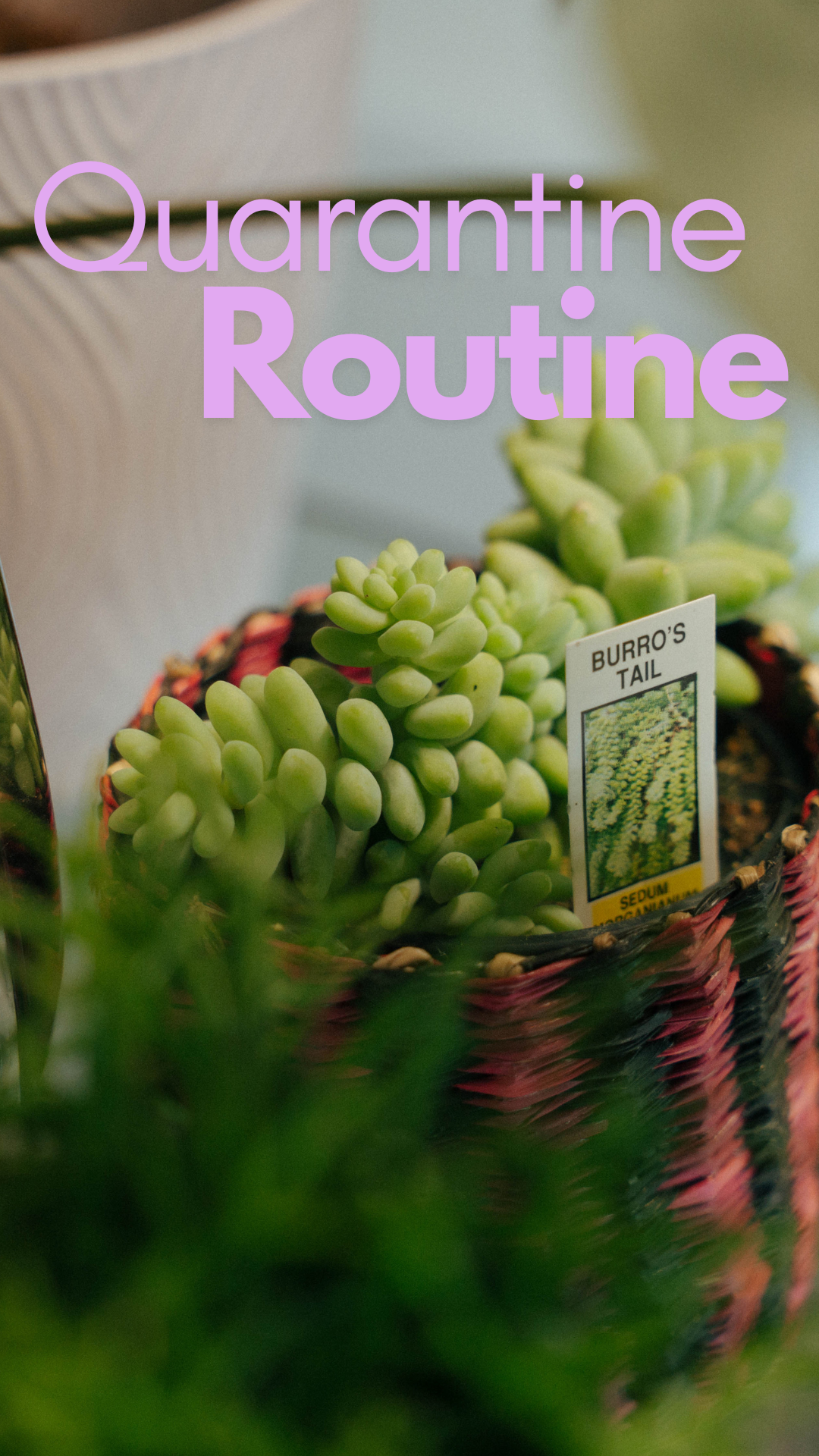
Plant Quarantine Routine
With Plant Con Chicago and other plant conventions right around the corner PLUS there has been an increase in acquiring my own plants and the plants of others, I have to take precautions for all of the plants. I run a tight ship around here and if you don’t lose the pests - you’re next.
All of my plants whether my personal own or the ones that come in for maintenance, I treat the same. I start by thoroughly inspecting all parts of the plant, including the undersides of leaves, leaf axils, stems, and soil, for any signs of pests or disease.
If you have the means to - putting the plants in the shower and having warm water (not too hot or cold, goldilocks!) run over the leaves and flush the soil can be beneficial. Next or if you can’t shower it - I absolutely spray the plant down lightly with soapy water or Neem Oil. This will help remove the bugs from the leaves and aid in their demise.
Dedicating a room in your house as the quarantine plant room is essential. Quarantine means keeping the new plant physically separated from your existing plants, ideally in a different room, for two to four weeks. The separation distance matters because spider mites and thrips can move short distances between plants, and fungus gnats fly freely. A new plant on the same shelf or windowsill as your existing collection is not meaningfully quarantined.
I personally keep mine in my office in an IKEA milsbo to better control the pests to one specific area and to keep a close eye on it. If this is an option for you - great! If not - no worries just put them in another room where the plant will be all alone and receive adequate light (artificial or natural).
When do you quarantine a plant:
Anytime you are bringing home a new plant from a nursery
Anytime you bring your houseplants inside after being outdoors during warm weather
Anytime you spot pests or disease on your current houseplants
Why do you quarantine?
Even if you don’t see bugs - eggs and larvae can be in the soil and create a problem in a couple of weeks when they hatch.
What are some of the typical pests you’ll see on houseplants and the signs of them?
Aphids:
• Small, sap-sucking, flying insects
• Usually green, but may be black, grey or orange
• All plants with soft tissues are susceptible
• Tips and flower buds are their preferred sites
• Flowering pot plants are especially susceptible
• The plant is weakened
Fungus Gnats:
• Small, black, flying adult insects with a pointy butt
• Usually harmless, but can spread diseases, the the mosaic virus
• Lay eggs on the soil
• The maggots can be harmful because they feed on organic matter in the soil and will occasionally devour young roots
• Thrive in damp conditions
Spider Mites:
• Tiny, sap-sucking pests
• Infest the underside of leaves of nearly all house plants
• Prefer hot, dry conditions
• Upper surface of leaves become speckled with yellow blotches and leaves fall prematurely
• White webbing sometimes between leaves and stems
Mealy Bugs:
• Small bugs covered with white, cottony fluff
• Large clusters can occur on the stems and under the leaves
• A serious attack leads to wilting, yellowing and leaf fall